


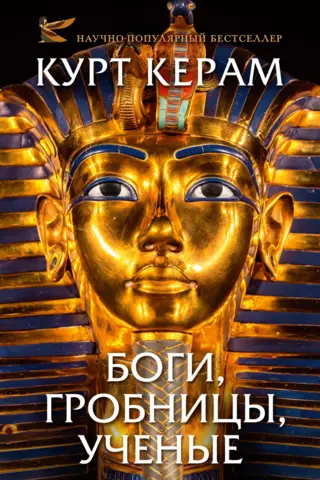
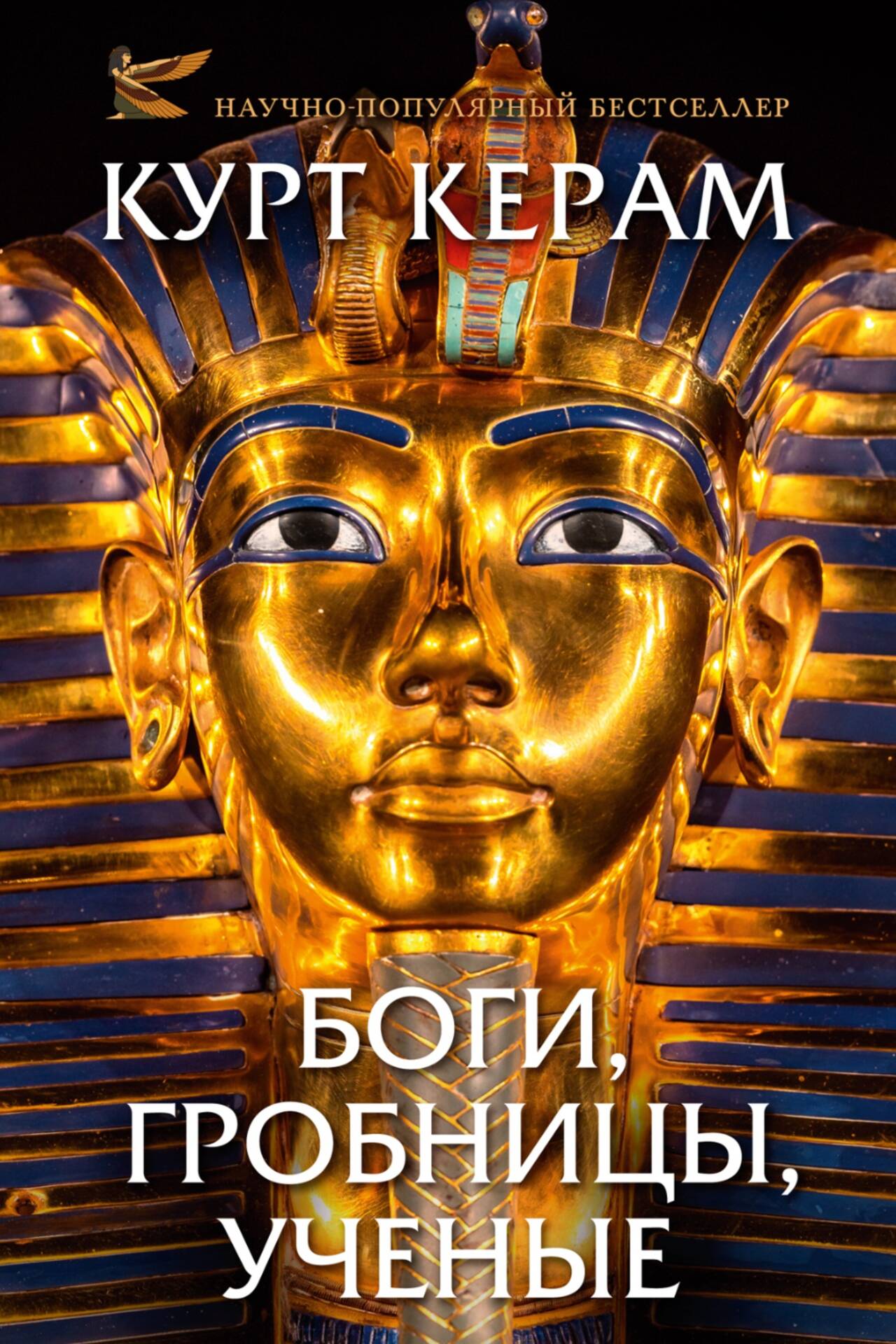




Gods, tombs, scientists
19.99 €
15.99 €
In stock

Gods, tombs, scientists
19.99 €
15.99 €
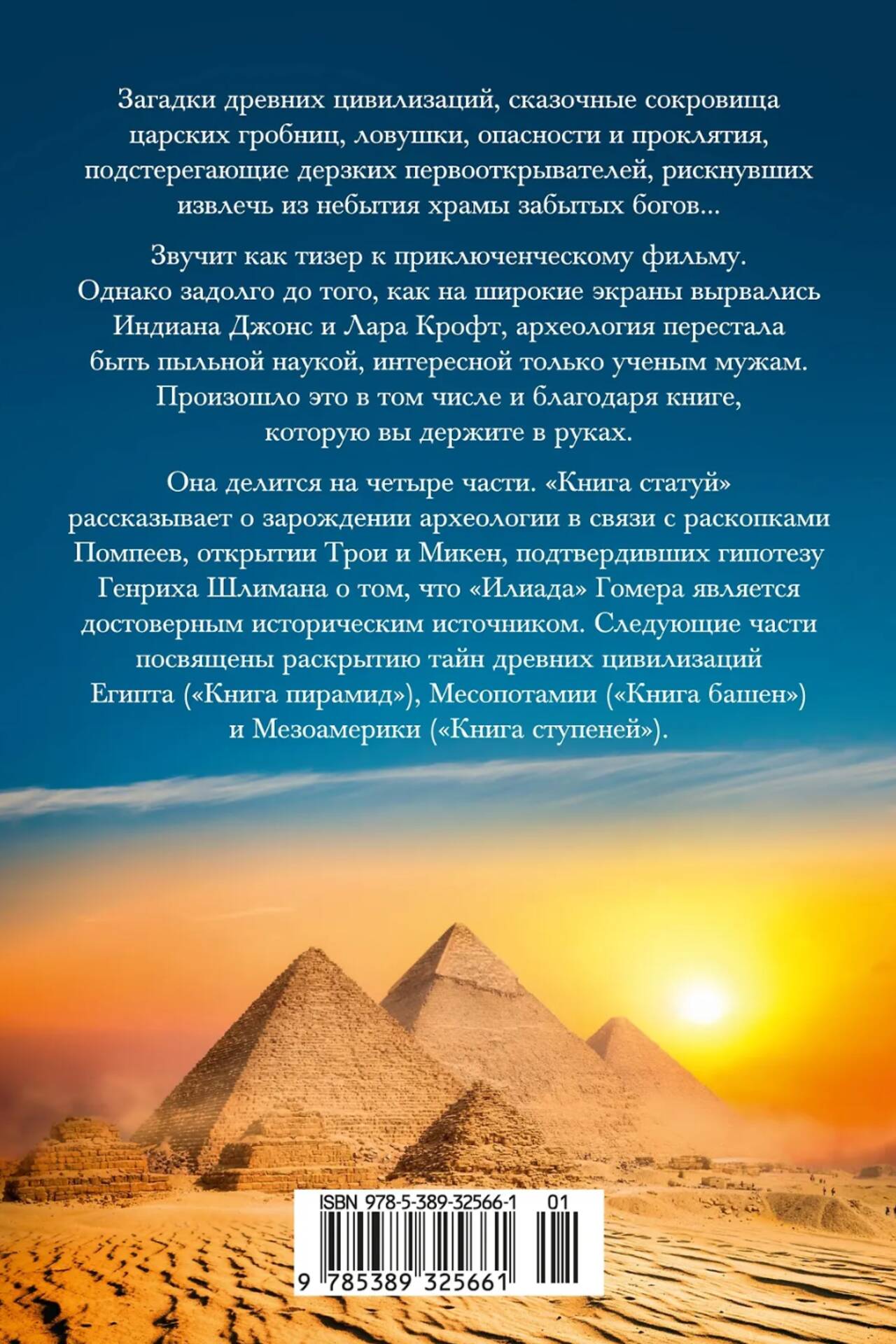
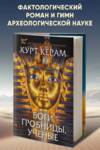
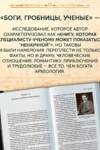
The mysteries of ancient civilizations, the fabulous treasures of royal tombs, the traps, dangers, and curses that await daring explorers who dare to unearth the temples of forgotten gods... It sounds like a teaser for an adventure film. However, long before Indiana Jones and Lara Croft burst onto the big screen, archaeology ceased to be a dusty science of interest only to learned men. This happened, in part, thanks to the book you hold in your hands.
First published in 1949, Kurt Zehram's popular science "novel of archaeology" has been translated into more than 28 languages and has sold over 10 million copies. Written in a simple and engaging manner, this book inspired a passion for history and archaeology in generations of schoolchildren across the Soviet Union and Eastern Europe, rivaling the novels of Jules Verne and Stevenson in popularity. Because the real story of archaeological discoveries is no less captivating than the adventures of fictional characters.
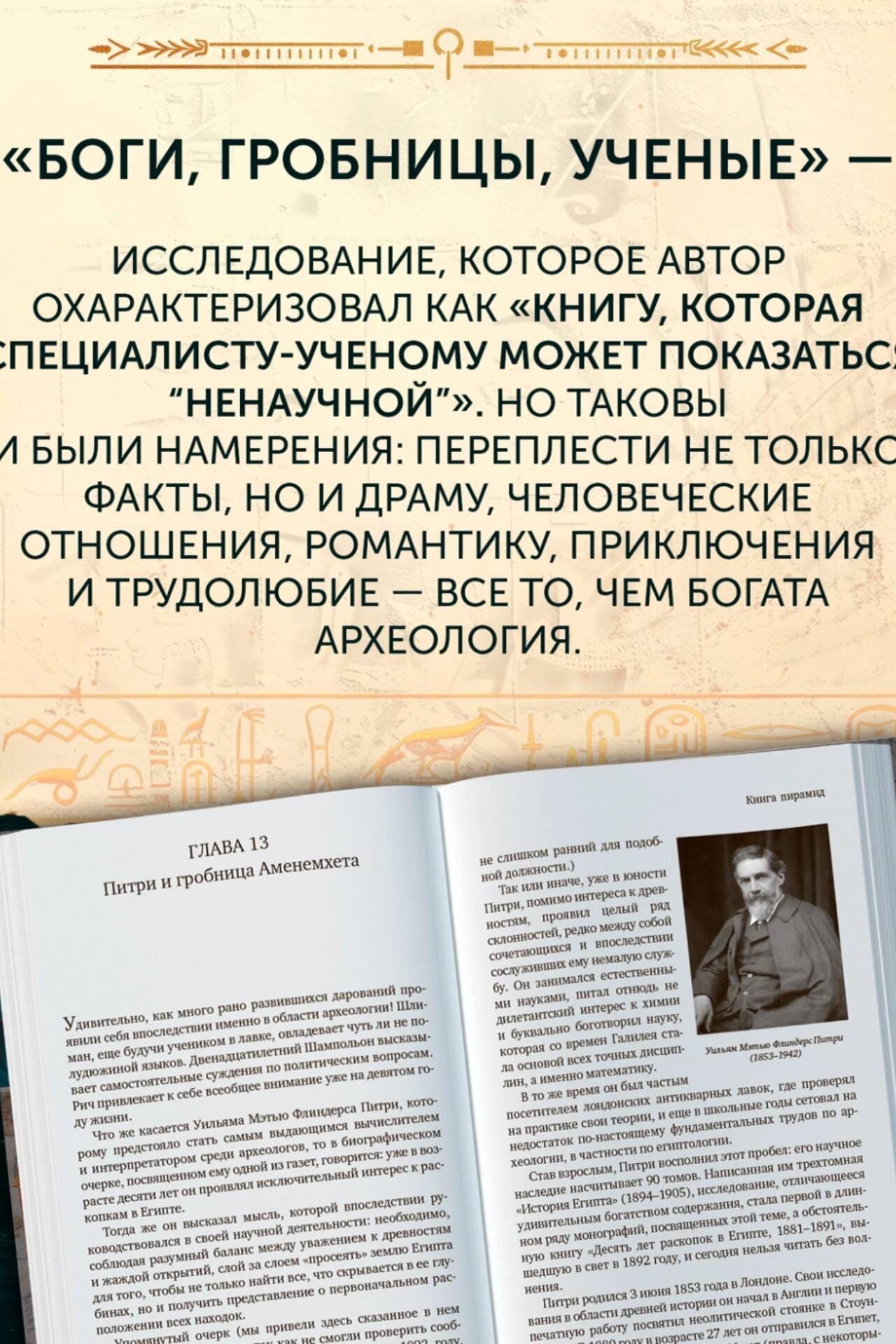
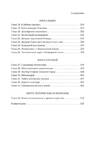
The book is divided into four parts. "The Book of Statues" recounts the birth of archaeology with the excavations of Pompeii and the discovery of Troy and Mycenae, which confirmed Heinrich Schliemann's hypothesis that Homer's Iliad is a reliable historical source. The following parts are devoted to uncovering the secrets of the ancient civilizations of Egypt ("The Book of Pyramids"), Mesopotamia ("The Book of Towers"), and Mesoamerica ("The Book of Steps").
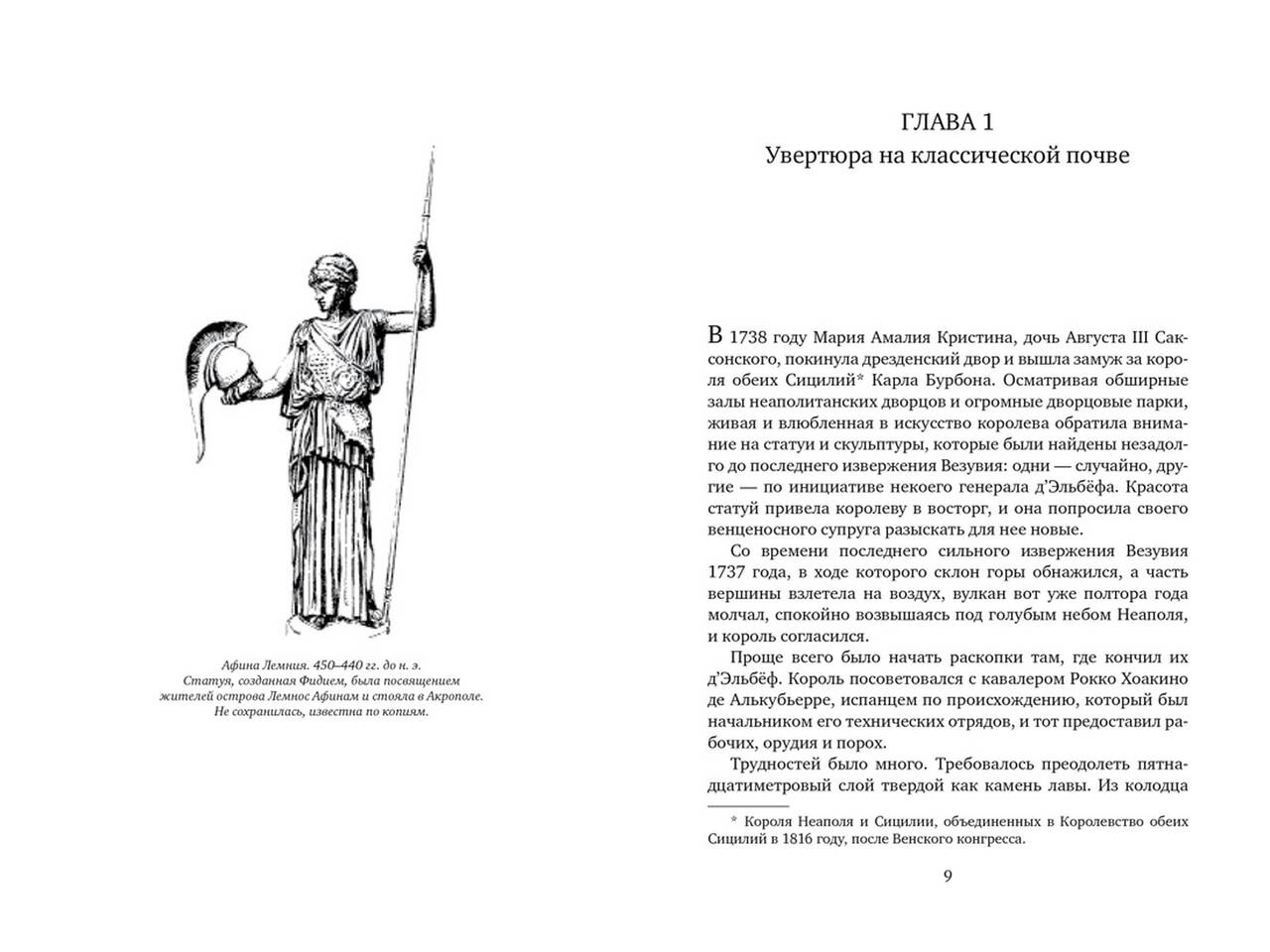
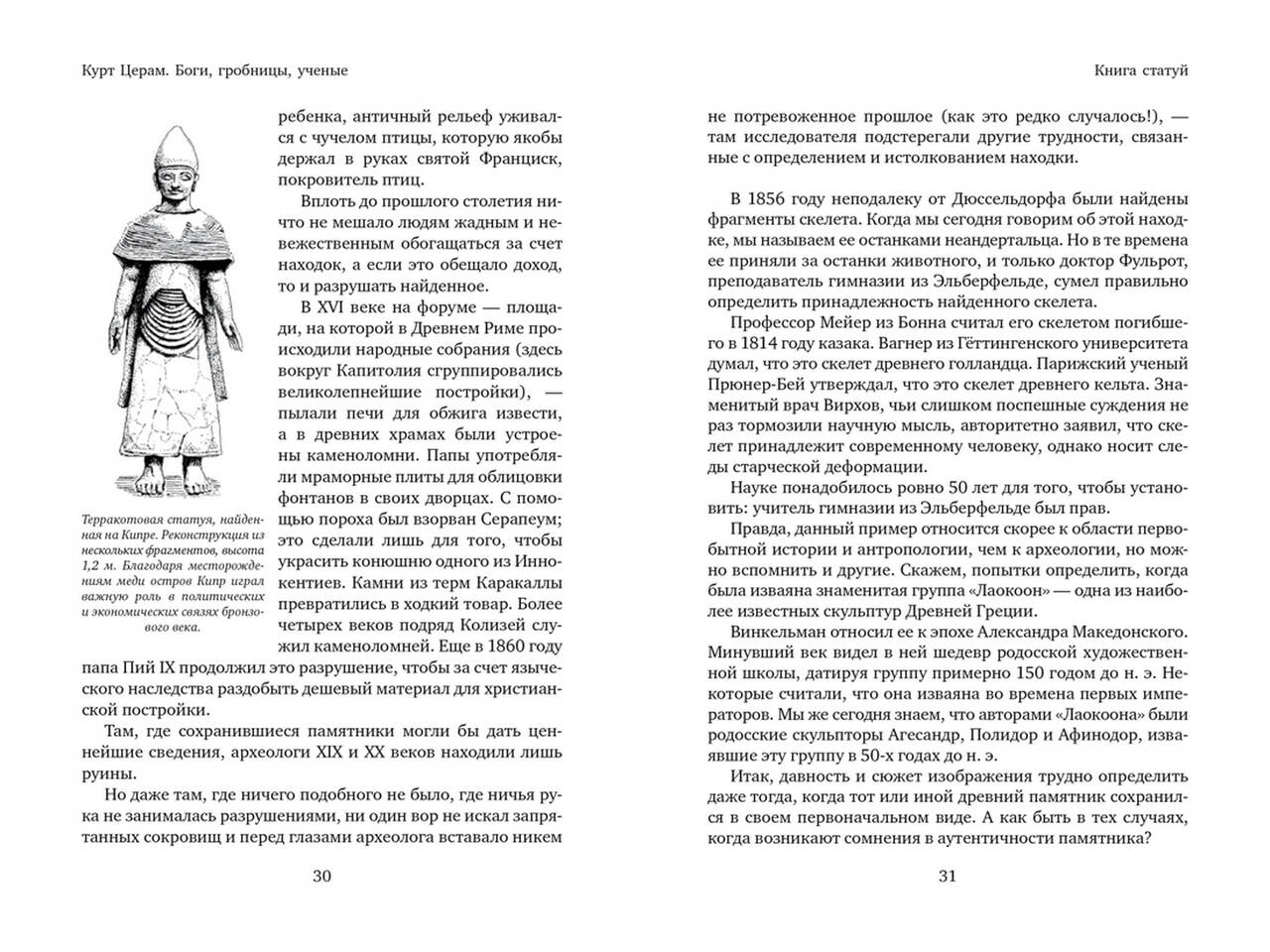
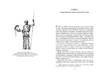
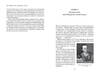
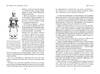
The design uses illustrations from the original edition.
First published in 1949, Kurt Zehram's popular science "novel of archaeology" has been translated into more than 28 languages and has sold over 10 million copies. Written in a simple and engaging manner, this book inspired a passion for history and archaeology in generations of schoolchildren across the Soviet Union and Eastern Europe, rivaling the novels of Jules Verne and Stevenson in popularity. Because the real story of archaeological discoveries is no less captivating than the adventures of fictional characters.
The book is divided into four parts. "The Book of Statues" recounts the birth of archaeology with the excavations of Pompeii and the discovery of Troy and Mycenae, which confirmed Heinrich Schliemann's hypothesis that Homer's Iliad is a reliable historical source. The following parts are devoted to uncovering the secrets of the ancient civilizations of Egypt ("The Book of Pyramids"), Mesopotamia ("The Book of Towers"), and Mesoamerica ("The Book of Steps").
The design uses illustrations from the original edition.
See also:
- All books by the publisher
- All books by the author